
Whether your boat is going to bed or still running hard, the next few weeks matter.
PLAN • PREPARE • PROTECT • MAINTAIN
The boating season is splitting in two. Across the North, the Great Lakes and the mountain states, shrink-wrap is going on and boats are coming out of the water. Across Florida, the Gulf Coast, Southern California and the desert Southwest, cooler temperatures and quieter waterways are bringing some of the best boating of the year.
If your boat is headed into storage, use the off-season to get ahead of next spring. If it’s still in the water, pay attention to the conditions and wear that fall and winter boating bring.
Service yards and marine technicians are typically busiest in the weeks before launch. Owners who use the winter to plan are the ones on the water first when the weather turns.
Note every intermittent problem from the summer, such as a flickering gauge, a slow trim system or a hard start on cool mornings, along with engine hours and anything worn that turned up during winterization. Share the list with your service provider now, not in April.
Commissioning, bottom paint and repairs are easier to schedule while the yard is quiet.
Filters, impellers, anodes, belts and manufacturer-approved fluids can be harder to find once the season starts.
New electronics, wiring, lighting or monitoring are easiest to install while the boat is out of service, with no lost days on the water.
Make sure registration, insurance and towing memberships won’t lapse before launch.
List every winterization step completed this fall so each one can be reversed in spring.
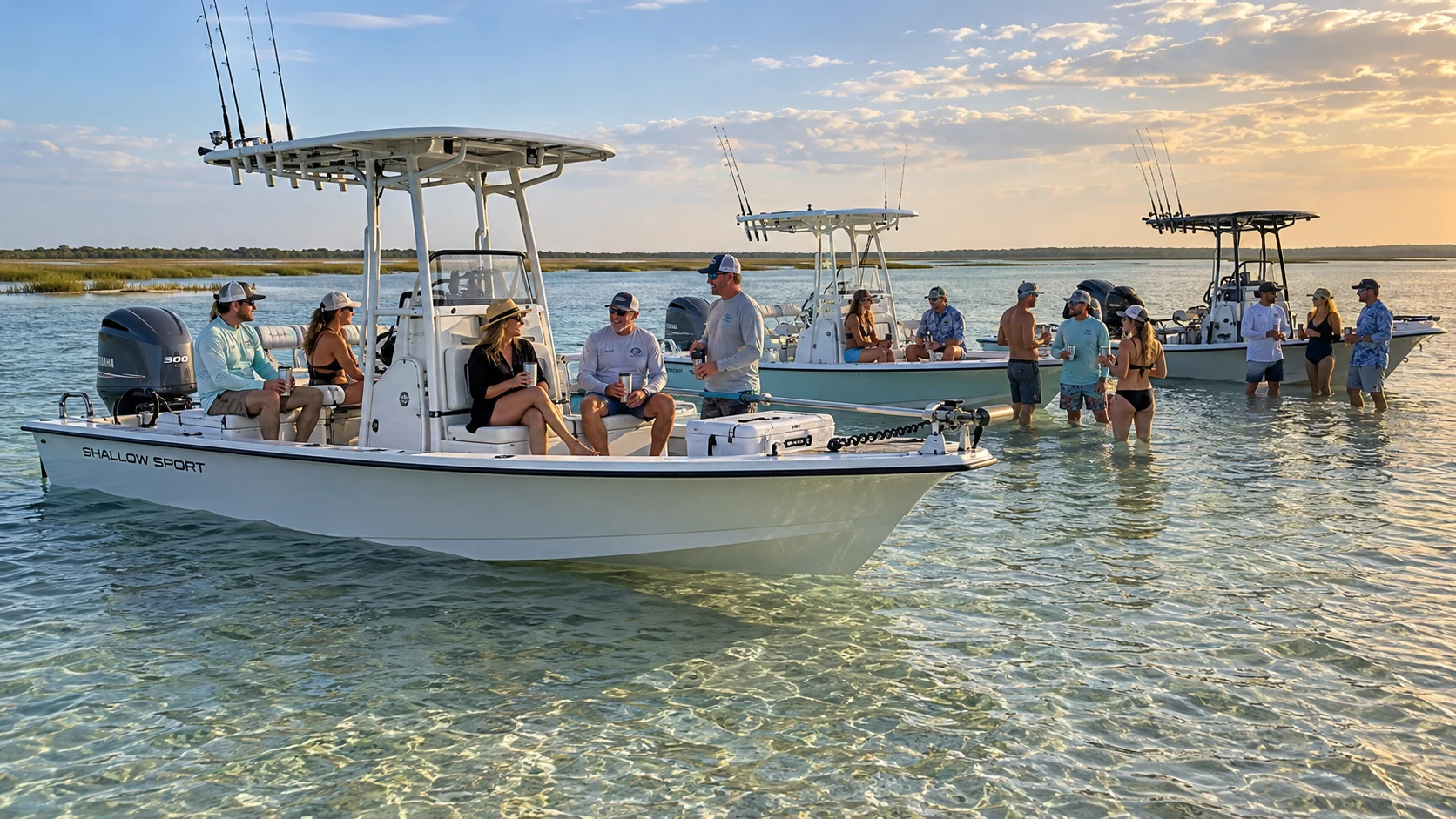
For boaters in warmer climates, fall and winter can mean calmer crowds, comfortable temperatures and great fishing. They also bring changing conditions that can catch even experienced owners off guard.
Late-season storms are less common, but the Atlantic hurricane season isn’t officially over until November 30. A boat that is still in the water needs a storm plan that is current, not one written in June.
Many marinas include hurricane provisions that require owners to move, haul or secure their boats once a watch or warning is issued. Know what yours says and what happens if you can’t be there.
Hauling and storage space fills fast when a storm is forecast. Know where your boat will go and how long it takes to get there.
Some policies include a named-storm haul-out benefit, while others carry a separate named-storm deductible. Find out which applies before you need it.
Many southern boat owners travel in the fall. Arrange for someone you trust to carry out your plan, and give them access to the boat, keys and instructions.
Take current photos and video of the hull, interior, electronics and serial numbers for any future claim.
Outside of hurricanes, fall and winter cold fronts move through quickly in the South. A wind shift to the north often signals one has arrived, and conditions can build from calm to rough within hours.
The water you know from summer may not be the water you find in late fall and winter. Depths change, and in Florida, so do the rules.
Strong, sustained north winds can push water out of Gulf and Florida bays and estuaries, leaving levels well below the published tide prediction. Stay in marked channels, give flats extra room and slow down where you’d normally run.
A boat tied tight at a fixed dock can hang on its lines or settle on the bottom when water drops. Shallow ramps may be unusable at the low.
Many western and southern reservoirs run lower in fall and winter. Falling levels can expose stumps, rock piles and sandbars, and can close ramps, so check the managing agency’s ramp status before you tow.
November is Manatee Awareness Month in Florida. As water cools, manatees travel to springs, canals and power plant outflows, and seasonal speed zones take effect in the fall, depending on the county. Follow posted signs, check the FWC’s zone maps before heading into unfamiliar water, and wear polarized glasses to spot them.
Report an injured or distressed manatee to the FWC Wildlife Alert Hotline at 888-404-3922.
Boats that stay in warm water all year never get the reset a northern haul-out provides. Keep up with the basics in our preventive boat care guide, and add these warm-water checks.
Marine growth slows in cooler months but doesn’t stop. Check props, shafts, trim tabs, transducers and raw-water intake screens, where even light fouling affects performance and cooling.
Barnacles inside intakes and sea strainers can quietly restrict cooling water.
Warm salt water consumes them faster than many owners expect, so inspect them more often than you would up north.
Running shallow flats and sandbars can pull sand and silt into raw-water intakes, adding wear to the water pump and cooling system.
Without a forced off-season, annual service is easy to put off. Pick a slower stretch and book it now.
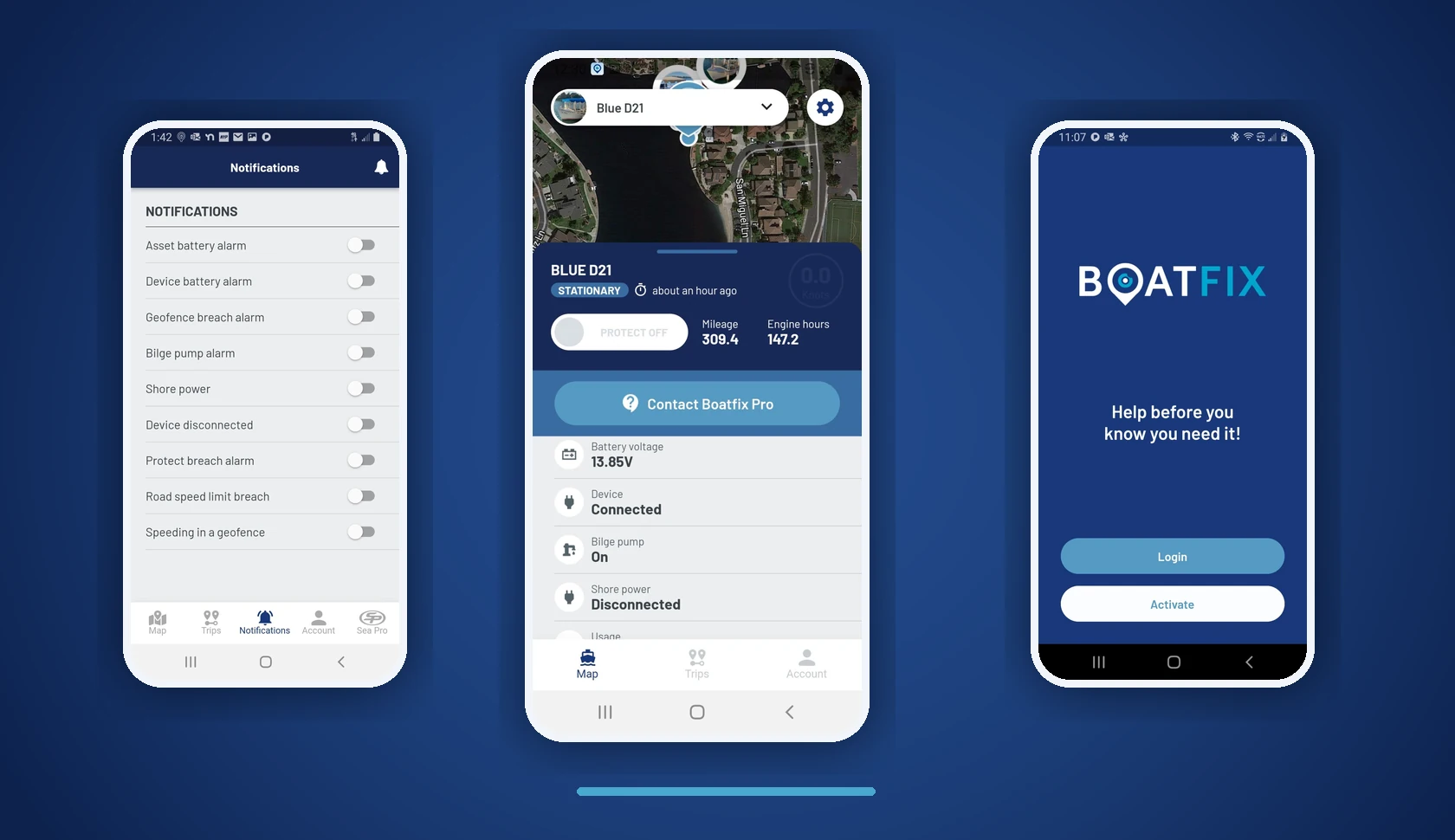
Whether your boat is shrink-wrapped in a northern yard or riding out a late-season storm at a southern dock, Boat Fix keeps you connected. Battery alerts help a stored boat stay ready for spring, high-water alerts flag trouble for boats left in the water, and GPS tracking shows exactly where your boat is after a storm. When something goes wrong on the water, a live person is ready through the 24/7 Mechanical Advisory Helpline.
Boat Fix | www.boatfix.com | 908-BOATFIX
Boat Fix | www.boatfix.com | 908-BOATFIX
